Table of contents
Step into a world where fast-paced entertainment meets the excitement of chance. The fusion of arcade action with casino thrills is reshaping the gaming landscape, offering unique experiences that captivate both casual players and seasoned enthusiasts. Uncover how these two distinct realms come together to create something truly unforgettable as you explore the following insights.
Blending skill with luck
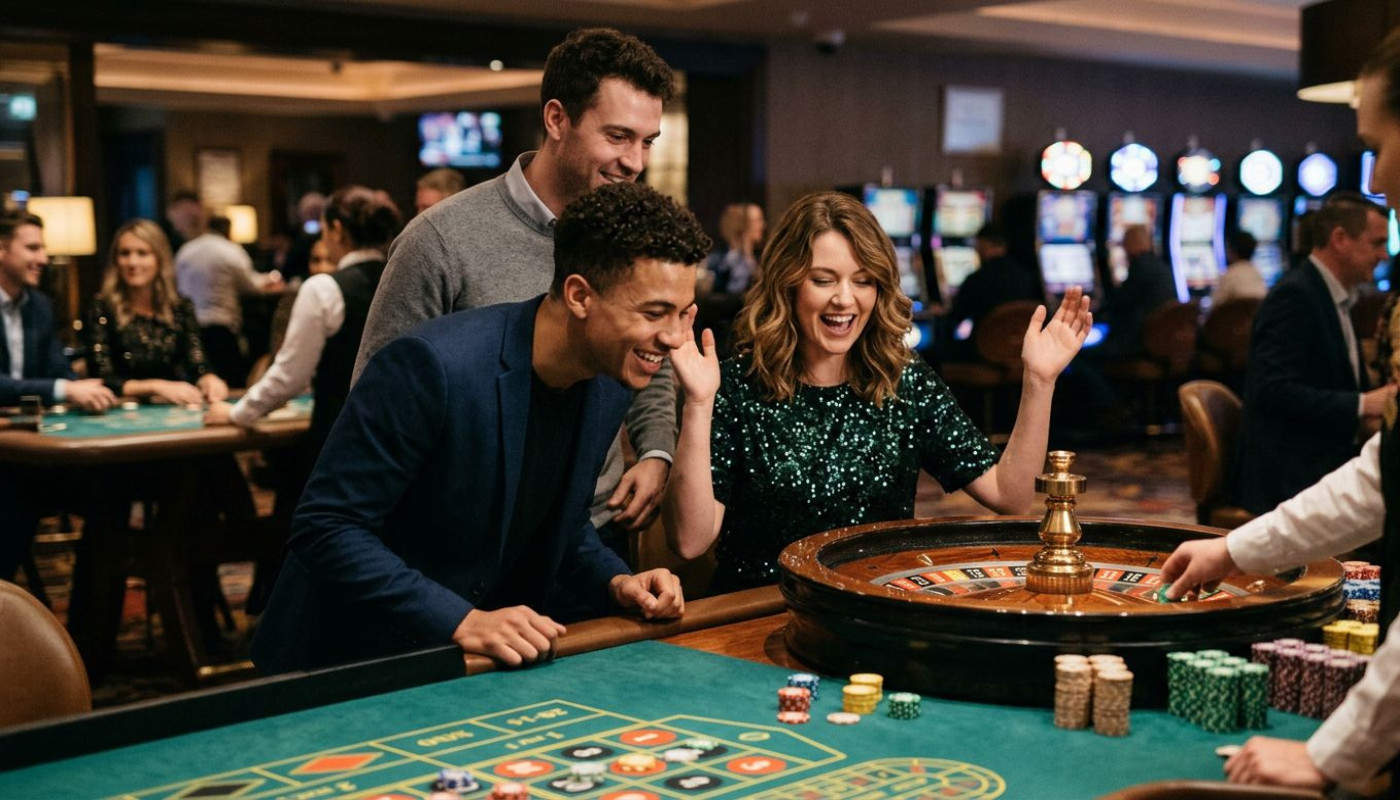
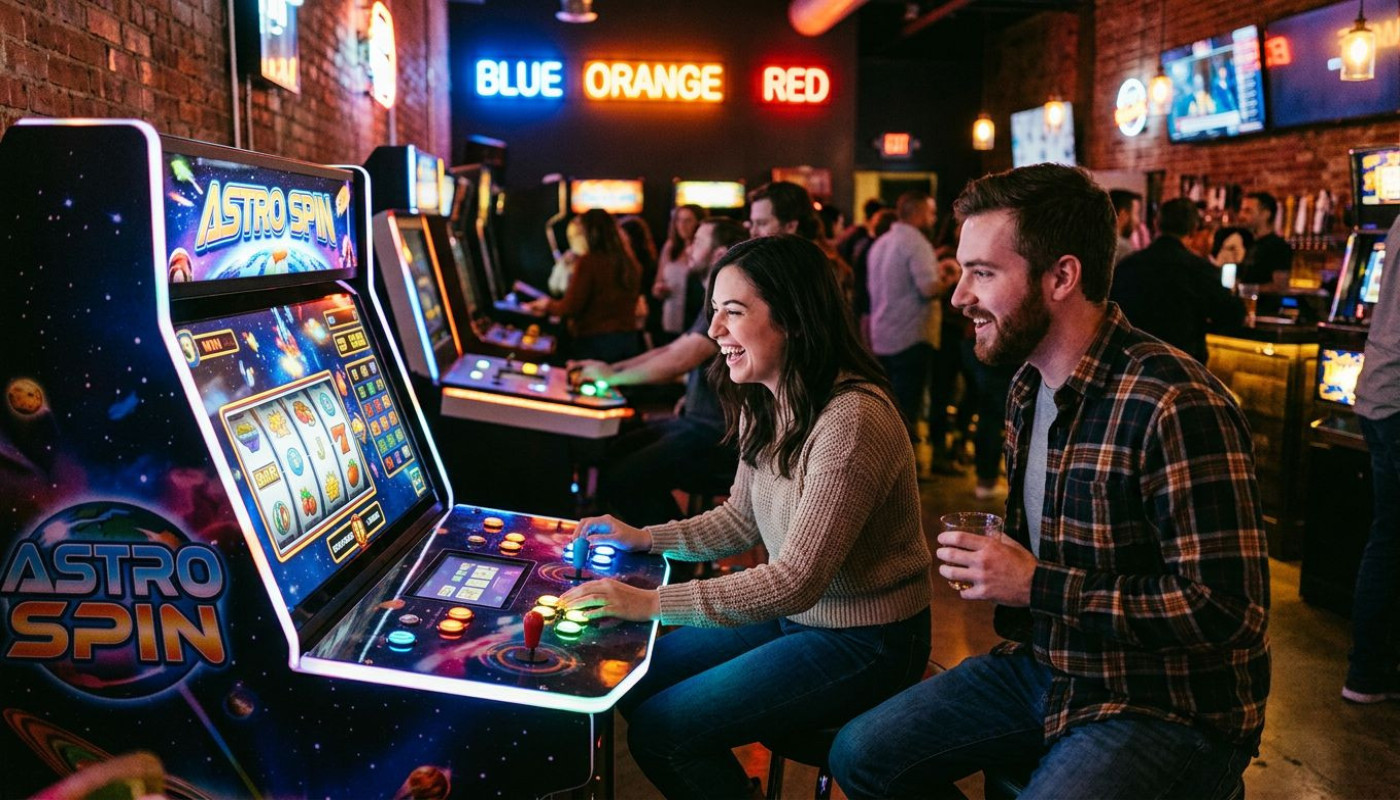
Arcade gaming has long captivated audiences by focusing on skill-based games that challenge reflexes, timing, and strategy. Classic arcade game mechanics require players to develop mastery and precision, rewarding dedication and practice. In contrast, a typical casino experience is shaped by the luck factor, where outcomes are often determined by random number generators or chance-based elements. When these two genres intersect, hybrid games create a dynamic environment where skill and luck coexist, offering a unique gaming experience that broadens appeal. The integration of arcade-style challenges into the casino setting transforms traditional gameplay by requiring both strategic decision-making and the embrace of uncertainty. This blend attracts a diverse audience, as players can appreciate the satisfaction of personal achievement while enjoying the unpredictable excitement of casino play. Such innovative game mechanics redefine expectations and foster a richer, more engaging casino experience for enthusiasts of both worlds.
Innovations in game design
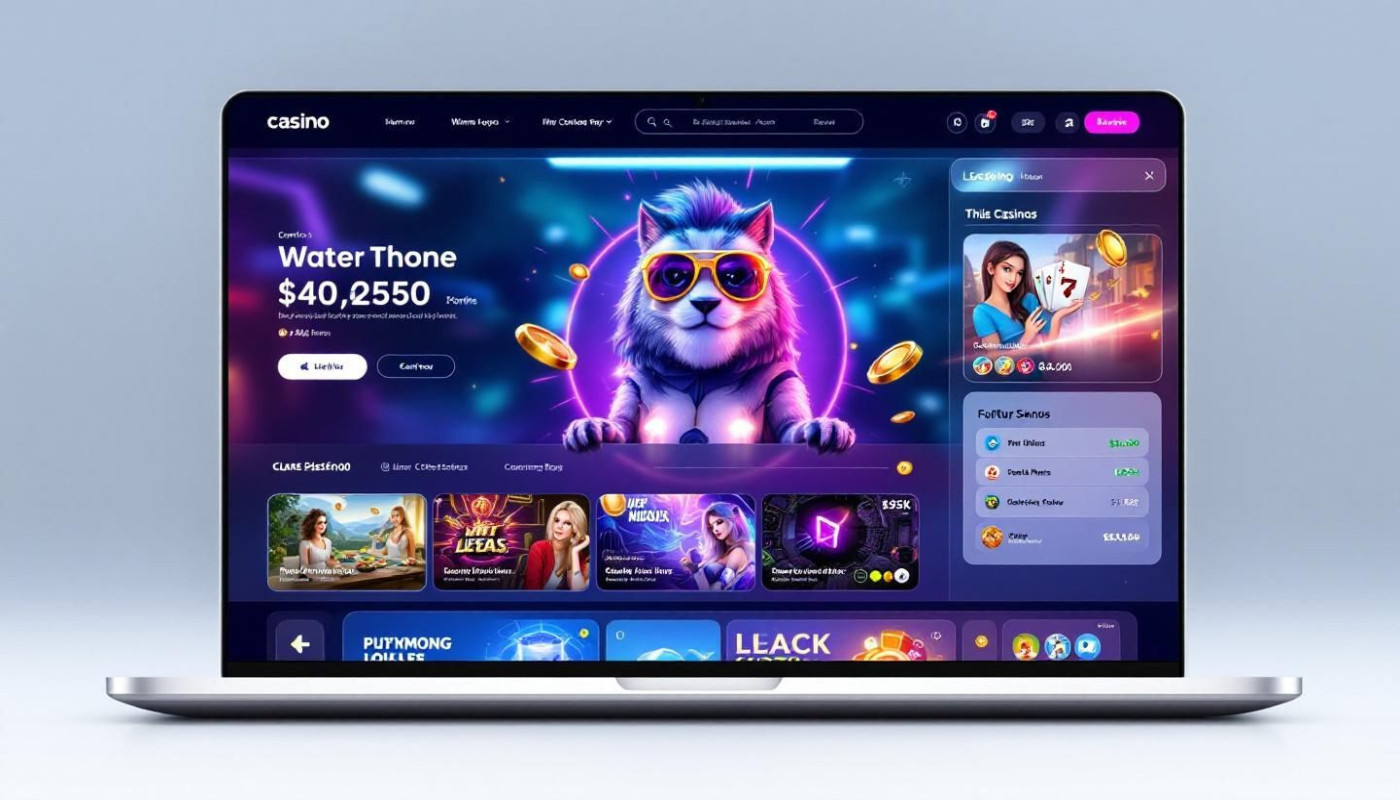
Recent advancements in game innovation have significantly reshaped the landscape where arcade features merge seamlessly with casino mechanics, creating a dynamic new breed of interactive gameplay. Developers are now leveraging sophisticated user interface technologies that allow players to experience both the fast-paced action found in classic arcades and the strategic excitement of modern casinos. Touchscreen controls, gesture-driven inputs, and immersive audiovisual feedback are being integrated to heighten player engagement, while real-time leaderboards and multiplayer options foster competitive social environments. These interactive features not only captivate users but also encourage longer play sessions, a critical aspect for both arcade and casino operators seeking to amplify player retention.
This blending of arcade and casino elements is also evident in the use of randomized reward systems, skill-based challenges, and progressive jackpots, which combine the thrill of chance with the satisfaction of mastery. Brands such as Pengu Sport Casino exemplify these innovations, offering a platform where cutting-edge game design brings fresh excitement to traditional gaming experiences. As the demand for hybrid entertainment continues to rise, pioneers in interactive entertainment design are expected to further push the boundaries of user interfaces and gameplay mechanics, ensuring that the fusion of arcade action and casino thrills remains at the forefront of player engagement strategies.
Enhancing player engagement
Combining arcade action with casino thrills amplifies player engagement by leveraging dynamic game mechanics and sophisticated reward systems, generating a truly immersive experience. This hybrid approach utilizes fast-paced gameplay, interactive features, and visually stimulating environments, all of which are proven retention strategies rooted in gaming psychology. The secret behind sustained engagement lies in the reinforcement loop: by mixing elements such as skill-based challenges with randomized rewards, the anticipation and satisfaction cycles keep players invested for longer periods. This blend not only increases excitement but also taps into psychological motivations like achievement and instant gratification, significantly boosting both player retention and overall participation levels.
Ethical considerations in hybrid gaming
When arcade action blends with casino thrills in hybrid games, player protection and responsible gaming become top priorities. These innovative experiences often attract a broad demographic, making clear age restrictions non-negotiable to prevent underage access. Regulatory compliance must be strictly observed, ensuring that all hybrid games meet legal requirements set by gaming authorities. Challenges arise as traditional arcade fun is merged with gambling elements, raising ethical concerns about the potential normalization of gambling behaviors among younger or impressionable audiences. Developers and operators need to implement robust safeguards, such as advanced age verification, transparent odds disclosure, and accessible self-exclusion tools to uphold ethical standards. A strong commitment to responsible gaming is not only a legal necessity but also a social responsibility, maintaining the integrity of the industry and prioritizing the well-being of all participants.
Hybrid games also present fresh ethical challenges surrounding the design of engaging yet non-exploitative gameplay mechanics. Features that encourage prolonged play or microtransactions should be carefully balanced to avoid promoting unhealthy gambling habits. The convergence of arcade and casino elements requires ongoing dialogue with regulatory bodies and ethical committees to assess potential risks and adjust practices accordingly. By prioritizing responsible gaming, enforcing strict age restrictions, and addressing ethical concerns transparently, the industry can foster a safer and more enjoyable hybrid gaming environment for all players.
The future of arcade-casino fusion
As the future of casinos continues to be shaped by rapid technological advances, the fusion of arcade action with casino thrills is set to redefine player experiences. Gaming trends indicate a strong move toward immersive environments, where traditional boundaries blur between skill-based arcade evolution and the chance-driven excitement of classic casino games. Augmented reality is poised to play a transformative role, allowing gamblers to interact with digital overlays in real-world settings, enhancing both sensory and strategic elements of gameplay. In light of shifting player preferences, operators are expected to offer integrated experiences that appeal to a broader demographic, merging nostalgia with innovation and fostering deeper engagement through personalized challenges and rewards. The next wave of arcade-casino hybrid spaces will likely prioritize adaptability, constantly evolving in response to user feedback and new entertainment technologies, thus ensuring ongoing relevance in a dynamic industry.
On the same subject